Blog Post
Safety Incident Report: Templates and Examples
Discover the key elements, report types, and best practices for safety incident reports that support compliance and safer workplaces.



Key Takeaways
A safety incident report is a formal document that records the details of an unplanned event or accident in the workplace.
A solid safety incident report must include the incident time and location, factual descriptions with multimedia evidence, and assigned follow-up tasks to ensure the record is audit-proof.
Safety Incident Reporting also covers a wide spectrum of events, including near misses, hazards, security breaches, environmental releases, and exposure to harmful substances.
The integrity of a report relies on objectivity, timeliness, and recommended actions to prevent recurrence.
Modern safety management uses mobile-first platforms (like UpKeep EHS) to streamline safety incident reporting.
What Is A Safety Incident Report?
A safety incident report is a formal document that records the details of an unplanned event or accident in the workplace. These reports allow maintenance and operations teams to capture critical information, such as the event location, the severity of the situation, and any immediate visual evidence, such as photos or videos.
Importance Of Safety Incident Reports
Safety incident reporting is the cornerstone of effective workplace safety management. Effective incident reporting will transform safety processes into strategies that benefit both employees and employers.
Here are a few reasons why safety incident reports matter.
Preventing Incident Recurrence


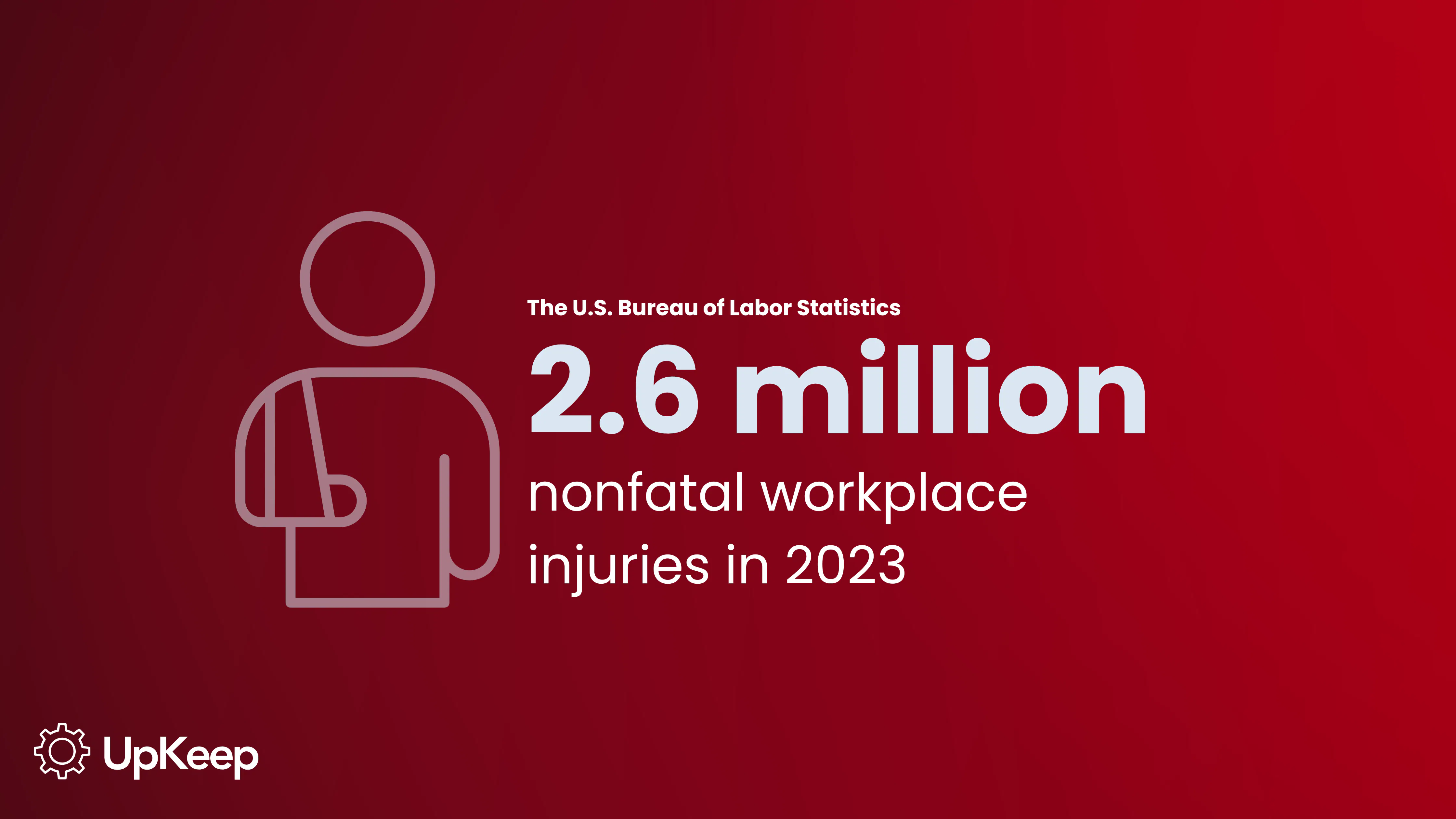
The U.S. Bureau of Labor Statistics reported that employers reported approximately 2.6 million nonfatal workplace injuries in 2023. When organizations track and report these events, they can intervene before they escalate into serious accidents with consequences.
Identifying Root Causes
The OSHA recordkeeping requirements expect employers not only to document incidents but also to understand the circumstances that led to them. This investigative process pinpoints issues that may involve faulty equipment, inadequate processes, or gaps in employee training.
Improving Risk Management
Safety leaders can use data from previous safety incidents to identify risk trends within their organizations. This ensures that limited resources are deployed to address the most pressing risks.
Safety leaders can also justify budget requests, prioritize interventions, and measure the return on investment for safety initiatives with concrete numbers.
Building a Safety Culture
A strong incident reporting system fosters a culture in which safety is everyone's responsibility. When employees feel empowered to report concerns without fear of reprisal or blame, organizations benefit from the collective vigilance of their entire workforce.
Ensuring Legal Compliance

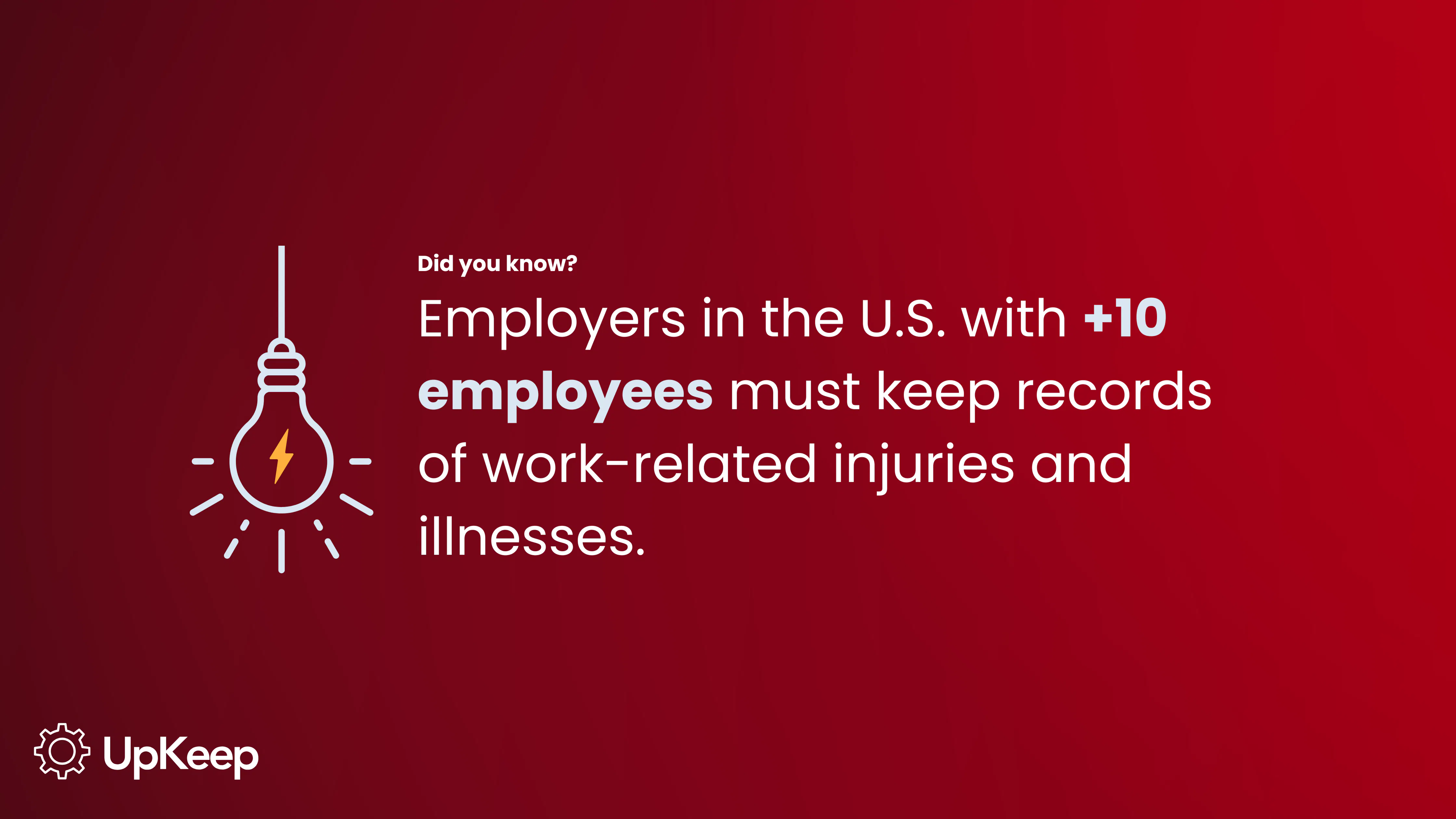
In the United States, OSHA mandates that employers with more than ten employees maintain records of work-related injuries and illnesses. They are expected to do this by using the OSHA Form 300 (Log of Work-Related Injuries and Illnesses), Form 300A (Summary), and Form 301 (Injury and Illness Incident Report).
Failure to maintain accurate records can result in significant penalties, legal liabilities, and increased scrutiny from regulators. Proper documentation also protects organizations in the event of workers' compensation claims or litigation by providing clear records of incidents and the responses taken.
Essential Elements Of A Safety Incident Report Template
A comprehensive incident report captures specific details to ensure an audit-proof digital log of the event. To maintain clarity and accuracy, safety teams should standardize the data collection process so that no critical information slips through the cracks. A robust report includes the following elements to provide a complete picture for supervisors and compliance officers:
Incident Date, Time, and Location: Exact details of when and where the event occurred to identify high-risk periods or areas.
Incident Type: Classification of the safety event, such as a near miss, injury, or equipment failure.
Individuals Involved: Names and roles of technicians, witnesses, or contractors present.
Incident Description: A factual narrative of the event as described by individuals involved. This should include multimedia materials such as pictures and videos, if available.
Contributing Factors and Root Causes: Analysis of systemic issues, errors, and failures that led to the event.
Effect Of The Incident: Documentation of the severity, including the extent of injuries or the cost of downtime.
Immediate Actions Taken: A summary of first aid provided, equipment shutdowns, or area lockdowns performed instantly.
Follow-Up Tasks and Owners: Specific corrective and preventive actions (CAPAs) assigned to individuals with clear deadlines.
Additional Evidence: Digital attachments such as equipment manuals, sensor data, medical reports, training records, or sign-off logs.
Recommendations: Suggestions to modify workflows or schedules to minimize future risk.
Download Free Safety Incident Reporting Template
Types of Safety Incident Reports
Organizations face a wide variety of safety-related events, each requiring appropriate documentation and response. Understanding the different types of incident reports enables companies to implement reporting systems that capture all workplace safety concerns.
Near Miss Incident Reports
Near-miss reports document events that could have resulted in injury, illness, or damage but did not because of fortunate timing or last-minute intervention. These incidents provide key learning opportunities because they reveal the weaknesses in safety systems before actual harm occurs.
Near-miss reporting is valuable because these events occur more frequently than actual injuries, providing a larger data set for identifying patterns and systemic weaknesses.
Click to download OSHA’s Near Miss Reporting Form
Injury and Accident Reports
Injury and accident reports document events where personnel have been harmed or equipment and property have been damaged. These reports are often subject to the most stringent regulatory requirements. Some examples of injuries and accidents reported are;
Cuts and lacerations
Burns
Fractures and sprains
Repetitive motion injuries
Struck-by or caught-in accidents
Falls from heights or on the same level, and
Machinery-related injuries.
Hazard Incident Reports
Hazard incident reports identify unsafe conditions or practices before they result in actual incidents. This proactive reporting category empowers employees to flag potential dangers they observe during their work, even when no near miss or injury has occurred. Companies that document hazards promptly can prioritize corrective actions based on risk severity and prevent incidents before they happen.
Common hazards documented in these reports include
Damaged or malfunctioning equipment
Inadequate lighting or visibility
Obstructed walkways or emergency exits
Missing or damaged safety guards
Electrical hazards such as exposed wiring
Slippery or uneven walking surfaces
Improper storage of materials or chemicals
Inadequate or missing personal protective equipment
Security Incident Reports
Security incident reports document events that threaten personnel safety, property protection, or information security. While often managed separately from traditional occupational safety programs, security incidents can have significant implications for worker wellbeing and organizational resilience. These reports often involve sensitive information and may require coordination with law enforcement or specialized security professionals.
These reports cover incidents such as
Workplace violence or threats
Unauthorized access to restricted areas
Theft or vandalism
Suspicious behavior or persons
Data breaches or cybersecurity events
Bomb threats or terrorist concerns
Stalking or harassment
Fire Incident Reports
Fire incident reports document any fire-related event, from small to major fires, as well as situations where fire suppression systems activate. These reports serve multiple critical purposes, including regulatory compliance, insurance claims processing, investigation and prevention.
Environmental Incident Reports
Environmental incident reports document events that could result in environmental contamination, ecological damage, or violations of environmental regulations. These reports protect both the organization and the surrounding community by ensuring prompt response to environmental releases and compliance with environmental protection laws.
Environmental incidents requiring reporting include
Spills or releases of hazardous materials
Air emissions exceeding permitted levels
Wastewater or stormwater discharge violations
Soil or groundwater contamination
Releases to surface waters
Improper waste disposal or handling
Exposure Incident Reports
Exposure incident reports document events in which employees have been exposed to potentially harmful substances, conditions, or biological agents. These reports are particularly critical in healthcare, laboratory, manufacturing, and chemical processing environments where exposure risks are inherent to operations.
Exposures requiring documentation include
Bloodborne pathogen exposures like needlestick injuries or mucous membrane contact,
Chemical exposures through inhalation, skin contact, or ingestion, biological agent exposures in research or clinical settings,
Radiation exposure above background levels, extreme heat or cold exposure, noise exposure exceeding regulatory limits,
Exposure to known carcinogens or toxic substances.
Tips for Writing Safety Incident Reports
The quality of a safety incident report directly influences an organization's ability to prevent future occurrences and protect its workforce. A poorly written report can obscure critical details, delay responses, and diminish learning opportunities.
Be Objective and Clear
Reports should always present the facts of the event instead of opinions, assumptions, or judgments about fault or blame. Clear writing is equally essential. Reports should be structured logically, following a sequence that guides readers through the incident from beginning to end.
Be Timely
The timing of incident reporting impacts the accuracy of information and the effectiveness of corrective actions. Memory degrades quickly, particularly for routine events or those experienced under stress. OSHA recognizes this urgency by requiring that work-related fatalities be reported within eight hours and serious injuries, such as inpatient hospitalizations and amputations, be reported within twenty-four hours.
Provide as Much Evidence as Possible
Comprehensive evidence transforms an incident report from a simple narrative into a robust investigative resource. Photographic evidence ranks among the most valuable supporting documentation, as images can capture details that might be difficult to describe in words.
Always Include Follow-Up Actions and Recommendations
The true value of incident reporting is in converting experiences into learning that drives safety improvements. Every incident report should therefore conclude with specific follow-up actions and concrete recommendations to prevent similar incidents.
Streamline your Incident Reporting with UpKeep EHS
UpKeep EHS has a centralized module designed to simplify the creation and management of incident reports. This module supports specific forms required for legal compliance, ensuring your organization remains audit-ready without the burden of manual paperwork.
By automating the flow of data from initial incident logs to annual summaries, UpKeep EHS eliminates the risks associated with manual entry and missed deadlines.
The platform supports the following core compliance documents:
OSHA Log (Form 300): This template allows teams to log work-related injuries and illnesses, with data automatically feeding into summary forms to eliminate duplicate entry.
OSHA Summary (Form 300A): The system automatically populates this required annual summary based on the incidents recorded in your Form 300 logs.
Agency Reports: Users can generate and export official reports in CSV format for immediate submission to regulatory bodies.
Frequently Asked Questions About Incident Report Templates
What is the difference between a safety incident report and a police report?
A safety incident report is an internal business document used to record workplace accidents, near misses, or hazards to improve operational safety and maintain regulatory compliance. In contrast, a police report is a legal document filed by law enforcement to document potential criminal activity or accidents involving public safety, and is often used in legal proceedings or insurance claims outside the company's internal maintenance scope.
Why use a safety incident report form?
Using a standardized form ensures that technicians and managers capture all essential data points required for an audit-proof digital log. A structured template provides several key benefits:
Consistency: It standardizes the data collected across different shifts and locations.
Efficiency: Pre-built fields reduce the administrative burden on technicians.
Accountability: It creates a clear history of who reported the event and what corrective actions were assigned.
How soon should the safety incident report be filled out?
Safety incident reports should be filled out as close to the time of the event as possible, ideally within minutes of the occurrence.
What is the best way to create a safety incident report?
The best way to create a safety incident report is through a platform that allows for instant data entry in the field. Key features of a high-quality platform include;
Mobile Accessibility: Technicians instantly submit reports from their phones, even while offline
QR Code Integration: Placing QR codes at high-risk locations allows anyone to report a hazard instantly without needing a full login.
AI Assistance: Using voice-to-text features or AI-powered checklist builders reduces manual documentation and helps standardize findings.
Direct Integration: Linking the report to the CMMS instantly converts a safety hazard into a maintenance work order.
4,000+ COMPANIES RELY ON ASSET OPERATIONS MANAGEMENT
Leading the Way to a Better Future for Maintenance and Reliability
Your asset and equipment data doesn't belong in a silo. UpKeep makes it simple to see where everything stands, all in one place. That means less guesswork and more time to focus on what matters.






![[Review Badge] Gartner Peer Insights (Dark)](https://www.datocms-assets.com/38028/1673900494-gartner-logo-dark.png?auto=compress&fm=webp&w=336)