Blog Post
The Hidden Side of Robotics and Automation In Manufacturing: Unveiling the Price of Maintenance
Over the past several weeks, I’ve been discussing potential solutions to the ongoing labor shortage in manufacturing. For a long time, I’ve believed that things like immigration and other methods of recruiting low-skilled labor are only short-term fixes; that we really need to turn to innovation, automation, and robotics as the long-term solution to overcoming our labor problems. But this week, in speaking with one of UpKeep’s customers, I’ve realized that I missed a big factor in holding that opinion: the cost to maintain, support, and repair complex, highly technical systems after installation. The cost is significant and is often lost in the guise of operating in perfect conditions and humanless ROI. But, before you deploy robotics and automation, consider the ongoing maintenance costs.


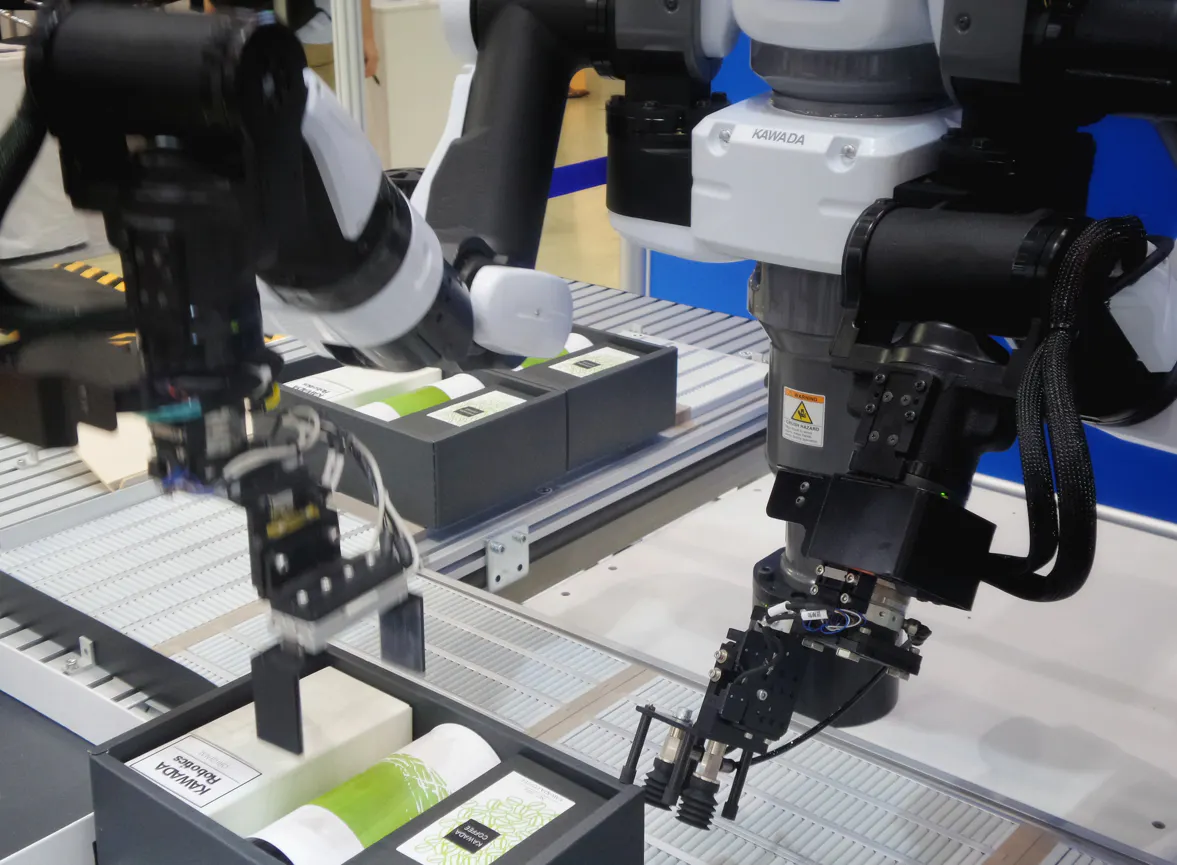
Why a Mining Company Abandoned Robotics Due To Maintenance Costs
One of our customers is a mining company that, like most, was struggling with the labor shortage. This company couldn’t find the drivers it needed to run its mining equipment and decided to invest over $10 million to transition 20 percent of its fleet to autonomous vehicles, robotics and automation as a pilot program. It was one of many companies moving in this direction; robotics investments totaled $1.63 billion in April 2023 alone.
At first, the new equipment worked wonderfully, but soon, the company realized that it lacked the skills and expertise to inspect, maintain and repair the equipment. Only a very specialized robotics engineer could understand all of the complex parts and components–and that individual had to come from the equipment manufacturer itself. Since this mining company was located in a remote part of the world, it could take weeks for them to schedule a maintenance technician to come, and in the meantime, the vehicles sat idle.
As a result, once the pilot program was complete, the company concluded that it simply could not hire the level of skills and expertise internally or rely on the vendor for ongoing inspections and maintenance. Instead, the company chose to return to the old way; it would purchase common equipment and return to hiring low-skilled labor.
Complex systems are only increasing, amplifying this problem for the future
I don’t believe that our customer’s problem is an isolated one. In fact, systems are only increasing in complexity as things like artificial intelligence and machine learning developments accelerate.
Recently, I went to visit the OpenAI office to learn more about the next generation of solutions. I realized the incredible complexity of these evolving AI solutions. In fact, highly skilled software engineers are so dialed into one specific aspect of this technology that no singular person even understands the whole system. If the software engineers, with years of education and experience in creating these solutions can’t understand it all, who in the world will be able to maintain these solutions in the future?
We need balance between innovation and the ability and cost to maintain
I think we’re seeing this problem infiltrate every aspect of life. As things like our home appliances grow in sophistication, so do the number of potential failure points. I drive a Tesla, and I’ve quickly come to realize that the cost to fix my car often exceeds the cost of the car itself.
In fact, most of the Tesla Model Ys that experienced collision accidents and were totalled by insurance companies had fewer than 10,000 miles on the odometer, according to major salvage auction houses. If you consider that the retail prices of those cars are between $60,000 and more than $80,000, you can imagine the cost of repairs that warrant salvaging such vehicles.
I believe that this is a growing trend that those manufacturers who choose to automate and invest in robotics will soon be facing. Really, it’s an age-old issue. Anytime manufacturers consider purchasing new production equipment, they look at the initial cost to buy and install as well as the ongoing operating and maintenance costs. We need to make sure we complete the same due diligence when we consider transitioning to highly complex automation and robotic solutions, understanding the skills and costs required to maintain these new systems.
Education and training can’t keep up with the pace of innovation
I think innovative solutions in this space are developing so rapidly that our education and training systems simply can’t keep up. Yes, we need to upskill our workforce and train the next generation to understand and manage these complex systems, but that takes time.
Right now, we can train operators to learn to become maintenance technicians. Yet the skills gap is really a chasm for these individuals to get anywhere close to understanding robotics and automation to the level required for effective maintenance and repair. If our software experts don’t understand these systems in their entirety, how can our education and training systems even begin to prepare workers to do so?
Are we innovating so fast that maintenance and reliability can’t reasonably catch up? As we continue to look for solutions to our labor shortage through robotics and automation, we need to make sure we don’t forget the cost to maintain.
Want to keep reading?


Article
Will the Apple Vision Pro Finally Solve The Labor Shortage In Manufacturing? I Doubt It. Here's Why.


Article
Balance Cost-Cutting with Smart Investments in Manufacturing and Maintenance During Recession



Article
It’s Time to Face Reality: We Can’t Fill 2.1M Manufacturing Jobs. Automation is the Only Way Out.
4,000+ COMPANIES RELY ON ASSET OPERATIONS MANAGEMENT
Leading the Way to a Better Future for Maintenance and Reliability
Your asset and equipment data doesn't belong in a silo. UpKeep makes it simple to see where everything stands, all in one place. That means less guesswork and more time to focus on what matters.






![[Review Badge] Gartner Peer Insights (Dark)](https://www.datocms-assets.com/38028/1673900494-gartner-logo-dark.png?auto=compress&fm=webp&w=336)