Blog Post
How To Create a Fleet Maintenance Checklist
Learn how to create a fleet maintenance checklist to minimize issues and ensure your fleet is as reliable as possible.


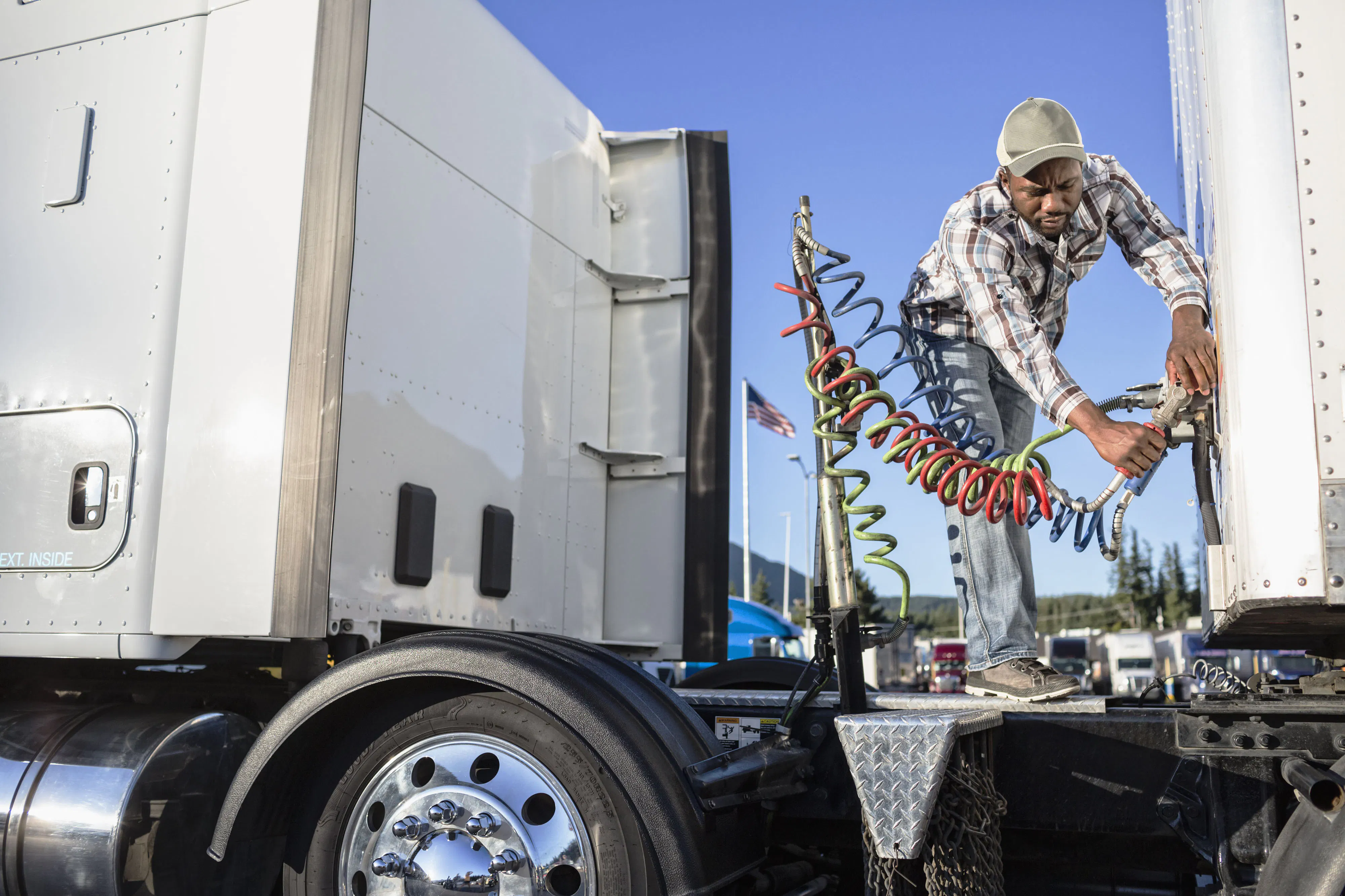
Fleet Maintenance Checklist: Considerations and Tips for Ensuring Reliable Vehicles
Reliable fleets depend on preventive maintenance. With a strong fleet preventive maintenance program in place, maintenance teams can ensure work orders are complete without spending extra time, labor, and money.
However, fleet maintenance checklists aren’t a one-size-fits-all approach — they must be customized to fit each vehicle and its usage pattern.
Learn about the different fleet maintenance tasks and examples of fleet management preventive maintenance schedules to help you improve your fleet maintenance checklists and program.
What Is Fleet Maintenance?
Fleet maintenance helps businesses keep their vehicles in working order so they can be used safely and effectively for work purposes. With fleet preventive maintenance, maintenance teams use a checklist to ensure vehicles are reliable for use.
With a combination of proper planning, diagnostics, services, and repairs, fleet performance and health are better guaranteed, saving time and money on long-term repairs and maintenance costs.
Types of Fleet Maintenance
Fleet maintenance encompasses a variety of tasks:
Regular maintenance, like oil changes and tire rotations
Pre- and post-haul inspections
Replacing parts as needed
Preventive maintenance that is regularly planned and scheduled to prevent breakdowns and prolong the lifespan of the fleet
Most often, companies operating a fleet have a group of the same vehicle that performs the same tasks. For example, a delivery company will operate numerous trucks or vans that do a great deal of idling and low-speed driving through neighborhoods. In this case, scheduling preventive maintenance tasks based on engine hours may be more beneficial than scheduling maintenance tasks based on mileage or time.
On the other hand, service companies like police vehicles or taxis might log a great deal of city driving. For fleets that experience a greater amount of wear and tear from multiple-driver usage, more frequent maintenance on specific parts might be necessary.
In another case, fleets that operate in hazardous conditions might consider employing electronic monitoring devices to help consider the condition of the vehicles.
Preventive Maintenance Most Vehicles Require
Many vehicle types require the same basic preventive maintenance. However, consider your company’s usage and the recommendations provided by the vehicle manufacturer when establishing your fleet’s preventive maintenance checklist.
Most basic preventive maintenance checklists for vehicles should include the following:
Change oil and filter
Check, change, or fill transmission fluid
Inspect fuel system
Check cooling system
Inspect engine and transmission mounts
Look at the drive shaft, CV joints, belts, and hoses
Perform tune-ups
Inspect electrical system and braking components
Check steering and suspension
Rotate and inspect tires, wheels, and rims
Examine exhaust system
Check the undercarriage, frame, and lights
Inspect body, glass, and mirrors
Check windshield wipers and fluid
Check seat belts, horn, and auxiliary systems
Repair fluid leaks
This might seem like a lot of tasks for a fleet manager to keep track of, especially if he’s using a pen-and-paper system. By utilizing a CMMS to monitor the many details that could get lost in the paper shuffle, maintenance managers can equip their teams with the necessary tools to ensure efficiency, preventive maintenance and reduce fleet downtime.
What Your Fleet Maintenance Vehicle Checklist Should Cover
Your fleet maintenance checklist should be all-encompassing and take into consideration a handful of processes to ensure a comprehensive and effective vehicle preventive maintenance checklist. Before diving into your fleet maintenance checklist, here’s what you’ll need to do:
Service Intervals – Determine the optimal window for maintenance tasks based on vehicle and set your interval based on mileage or time elapsed.
Inspection Process – Implement driver vehicle inspections to provide insight into data that will help gauge the effectiveness of your checklist and adjust as needed.
Maintenance Plan – Ensure processes are in place for handing off vehicles and work orders to technicians.
Record Keeping – Track services and costs to ensure you have records for future reference.
Parts and Inventory – Never run out of the necessary parts for maintenance by keeping track of parts and inventory along the way.
What Are Your Goals?
Know what you want to accomplish with your preventive maintenance checklist to help you narrow your focus and create an effective process. Consider ways to reduce costs, improve efficiency, and prioritize safety and compliance along the way.
Preventive maintenance goals should be specific to avoid spending time on a checklist that doesn’t achieve anything.
What Are the Causes of Fleet Vehicle Downtime?
With your goal in mind, realize that fleet downtime will almost always get in the way of achieving it. For example, if your goal is to reduce costs, the average downtime cost of $448 to $760 per vehicle per day will make unplanned downtime worth preventing.
Determine the major causes of fleet downtime by tracking vehicle performance data. Once you know what repeatedly puts your vehicles out of service for repairs, work to ensure your preventive maintenance checklist counters those causes.
What Types of Vehicles Do You Need To Maintain?
Maintenance tasks are dependent on the types of vehicles in your fleet and how often they need to be serviced.
For example, massive semi-trailers will require different maintenance needs than fleets with sedans since they have different uses and involve different components (like trailers or hitches on a semi).
Also consider that different makes and models have different wear patterns, therefore requiring different timings of upkeep and replacement of components.
What Are the Federal and State Regulations?
Many aspects of fleet management have to conform to state and federal regulations. Often, those regulations will determine what you need to look for when inspecting your equipment.
For example, the Environmental Protection Agency (EPA) requires inspections and maintenance on fleet vehicles in several areas in the nation to reduce emissions. The rules governing how those inspections should be conducted vary from place to place. By properly conducting inspections, you’ll minimize liabilities and help your company reach its maintenance goals.
What Skills are Necessary to Complete Fleet Preventive Maintenance?
When considering the tasks you’ll need to include on your fleet maintenance checklist, you should also consider the skills involved with completing each task.
Some companies are able to cover all maintenance tasks in-house, from simple inspections to complex diagnostics. Others may not have as many resources available, or business operations might focus entirely on their fleet, making it more difficult to justify in-house personnel for maintenance tasks.
In cases like this, specialized third-party professionals may be needed to handle some preventive maintenance tasks required for your fleet.
What Is the Task Frequency for Each Preventive Maintenance Task?
Having the right tasks planned is one matter, but it’s equally important to make sure your preventive maintenance tasks are performed as often as they’re needed and not more than necessary. Roughly one-third of maintenance tasks are performed too frequently, so ensuring correct timing on tasks can help keep costs down.
Just as over-maintaining your vehicle can be detrimental, so can not maintaining it often enough. You’ll need to strike the perfect balance — do a task too often, and you waste time and resources; do a task too infrequently and you put your fleet at risk.
Where Will Inspections Take Place?
Every fleet and company is unique, and the locations where tasks and inspections are performed will vary from one organization to the next. Some inspections might be performed by the driver out on the road, while others are handled each time a vehicle checks into your lot. The location will affect how preventive maintenance is performed and by whom, and that should be reflected in your checklists.
For example, if a professional needs to perform some tasks on your list, it may be worth creating a separate checklist from those you’ll do in-house. An inspection lane check may involve different tasks from a yard check, like handling the Driver Vehicle Inspection Report (DVIR) for large commercial vehicles.
6 Tips for Creating a Fleet Maintenance Checklist for Your Vehicles
The most effective preventive maintenance checklists conform to best practices. These tips can help you make the most of your fleet maintenance checklists.
#1: Include All Vehicle Components in Your Preventive Maintenance Checklist
When determining what tasks to include on your fleet maintenance checklists, make sure you account for all vehicle components. For example, if your fleet consists of large tractor-trailers, include components from both the tractors and the trailers on your list. Missing a crucial part could leave your vehicles under-maintained and compromised, putting them at risk for breakdowns in the future.
#2: Separate Necessary and Unnecessary Tasks
While you don’t want to leave anything out, sometimes certain tasks aren't necessary and would end up costing you more in the long run. You don’t want to over-maintain your fleet.
For example, it might be more efficient to rotate tires rather than replace them, or to limit the tasks performed on tune-ups.
Consider your cost analysis and answer the following questions:
What expenses are we trying to prevent?
Would the cost of the required work be more than the loss it’s designed to prevent?
With those answers in mind, perform the tasks that are truly necessary and avoid wasting resources on inefficient preventive maintenance tasks.
#3: Determine Who Will Perform Each Task
Just as important as what tasks will be performed is who will be performing each task. Many tasks can be handled by drivers, whereas some others require professional attention. Knowing who will do what will help you create your checklists accordingly.
For instance, a checklist for a DVIR in the commercial trucking industry would be conducted daily by your drivers, whereas more complicated upkeep tasks might require a dedicated maintenance technician. Each person performing said tasks would likely benefit from their own checklist outlining their responsibilities.
#4: Organize Vehicle Tasks by Type and Frequency
Different tasks will naturally fall under their own timelines, so organizing your fleet’s preventive maintenance checklists by task frequency could prove to be helpful. For instance, you might put daily tasks on one list and monthly or yearly tasks on their own lists.
Also consider tasks that can be done together, like checking the oil and the transmission fluid. Grouping together these tasks can save time and streamline vehicle inspections and maintenance processes.
#5: Create a Preventive Maintenance Checklist for Pre-Service Inspections
Most of the time, we think of preventive maintenance as a recurring task performed over the lifespan of an asset. However, for fleet maintenance, it’s important to inspect your vehicles as they arrive in your lot, whether they’re new or used.
Creating a pre-service checklist can help you detect abnormalities that might exist and resolve them before employing the vehicle on the road. In addition, it will give you an opportunity to log important vehicle information at the very start to make ordering replacement parts easier later on.
#6: Be Clear and Concise With Task Descriptions
When it comes to actually writing your checklists, each item should be arranged in a logical order and written with as much detail as possible. Each task’s description should be clear and complete, making sure to include important and necessary instructions.
You might consider organizing your checklist by the location of the vehicle so it flows well to help technicians not miss anything important.
Let UpKeep Help Create and Execute Your Fleet Preventive Maintenance Program and Checklist
Although many fleet maintenance checklists are similar and include tasks necessary from one vehicle to another, the best fleet preventive maintenance checklist will be the one you create yourself.
By ensuring your fleet maintenance schedule and checklist is specific to the vehicles in your fleet, you can better ensure reliability for your vehicle’s lifespan.
UpKeep’s many features can help you stay on top of your fleet’s maintenance schedule:
Work Order Management – Ensure work orders are submitted and completed efficiently.
Asset Management – Decrease downtime and increase vehicle reliability.
Safety & Compliance – Stay in compliance with all federal and state regulations.
Parts & Inventory – Never run out of necessary inventory for your vehicle’s maintenance.
Stay on top of your fleet’s maintenance and start your free trial today.
Want to keep reading?



Article
How To Build an Efficient Preventive Maintenance Checklist



Article
How to Implement a Preventive Maintenance Program


Article
Why Is Preventive Maintenance Cost Effective?
4,000+ COMPANIES RELY ON ASSET OPERATIONS MANAGEMENT
Leading the Way to a Better Future for Maintenance and Reliability
Your asset and equipment data doesn't belong in a silo. UpKeep makes it simple to see where everything stands, all in one place. That means less guesswork and more time to focus on what matters.






![[Review Badge] Gartner Peer Insights (Dark)](https://www.datocms-assets.com/38028/1673900494-gartner-logo-dark.png?auto=compress&fm=webp&w=336)