Blog Post
$1.2 Trillion: The Cost of Deferred Maintenance for the U.S.
It’s easy and understandable to push maintenance off to the future. We do it in our homes, waiting another month to change our furnace filter or get that oil change. We do it in our manufacturing plants, prioritizing a big production run before inspecting and replacing old bearings. And we also do it in our country, focusing on new development instead of repairing our existing buildings, bridges, and highways.


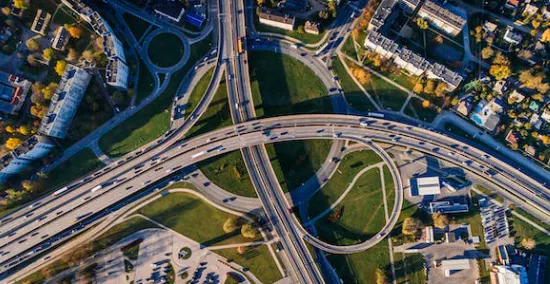
Eventually, however, deferring maintenance into the future always comes with a cost. At some point, that family car, that critical production equipment, or that bridge will deteriorate past requiring simple maintenance. It will need major repair or even complete replacement at a cost that’s exponentially higher.
As a country, we’re currently in the middle of spending $1.2 trillion to support President Biden’s Infrastructure Law, which was passed in 2021. The law comes on the heels of more than five years of celebrating Infrastructure Week, where the problem was purely discussed. And it comes at a time when our national debt exceeds $31 trillion and inflation rates are the highest they have been since 1982.
I believe, as a country, we need to find a healthier way to balance pursuing the new with caring for the old. We need to find a way to elevate vital maintenance tasks to their rightful, worthy position.
How Did We Get Here?


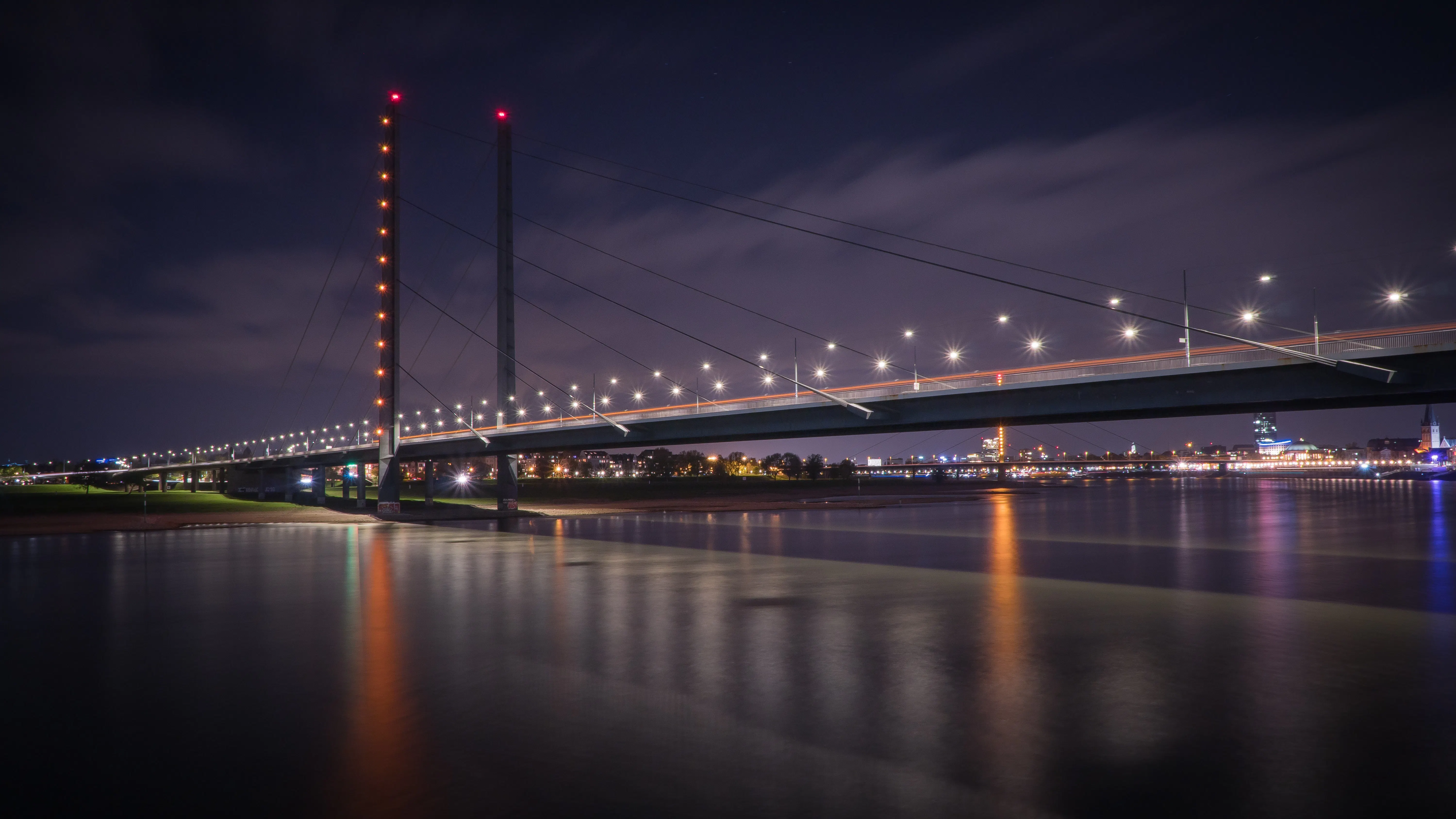
As a country, I believe that we’ve spent so much time, energy and resources in the last several years focused on innovation, the next billion dollar start-up, and the exciting promises of tomorrow’s technologies that we’ve forgotten to take care of the basic things we rely on every day.
Maintenance has historically been a necessary evil–something everyone knows needs to be done but no one likes to talk about or perform. Most politicians prefer to focus on the next new development. They want to build more and spend more – not cut back or repair and maintain existing systems. Top issues in campaigns revolve around things like the economy and healthcare–not around fixing our highways and bridges. Maintenance is, frankly, not very exciting.
Yet, as time marches on, it’s inevitable that deferring the maintenance of our nation’s infrastructure will catch up with all of us. The average age of critical infrastructure includes our country’s dams at 56 years old, our water treatment system and pipes at 45 years old, and our bridges at 43 years old.
Since 1998, the American Society of Civil Engineers (ASCE) has issued an infrastructure report card, detailing the conditions and progress made by our local, state and federal government in addressing these deferred maintenance issues. The 2021 report card notes, “For the first time in 20 years, our infrastructure GPA is a C-, up from a D+ in 2017. Overall, eleven category grades (ranging from A to F) were stuck in the D range, a clear signal that our overdue bill on infrastructure is a long way from being paid off.”



Monetary Consequences
Study after study has shown that deferred maintenance is a costly decision, resulting in only short-term gain and long-term loss. According to FacilitiesNet, “Studies of organizations show that on average, for every dollar ‘saved’ by deferring maintenance, there comes a four dollar increase in future capital renewal costs. Those are the direct costs for that specific asset. There are additional indirect costs that may have an even larger impact. Over the life of that asset, those additional costs may total more than 15 times what would have been spent on the maintenance had it not been deferred.”
Transportation Today cited in 2019 a report from the non-profit Volcker Alliance that “warns that repairs to the nation’s aging infrastructure could cost more than $1 trillion, or 5 percent of the country’s gross domestic product, a figure that represents the United States’ deferred maintenance costs for its roads, highways and other critical public assets.”
Government buildings, particularly federal structures in Washington, have an added challenge when it comes to maintenance. According to the Federal Times, “federal office buildings are hemmed in by regulations aimed at preserving their design both for aesthetics and functionality.” These buildings “need to meet a two-fold requirement. First, they must provide efficient and economical facilities for the use of government agencies. Second, they have to provide ‘visual testimony to the dignity, enterprise, vigor and stability of the American government,’ according to the General Services Administration.” Deferred repair costs among civilian agencies reached $76 billion in 2021, a significant increase from $51 billion in 2017, as reported by data compiled by the Government Accountability Office.
Obviously, some government entities are so far behind the eight ball that it’s unrealistic to believe they can easily catch up. The bigger question is how can we prioritize necessary maintenance while still moving forward with important new developments?



Safety Consequences
I believe that even more important than monetary consequences of deferred maintenance are the potential safety issues that arise from aging infrastructure.
We hear in the news of poorly maintained bridges and roads causing accidents or even significant loss of life. For example, a four-lane 50-year-old bridge in Pittsburgh collapsed in 2022 injuring 10 people hours before Biden’s infrastructure visit to the city in 2022. When an interstate bridge collapsed over the Mississippi River near downtown Minneapolis in 2007 during rush hour, 111 vehicles went down, killing 13 and injuring another 145 people.
A law firm cited an 18-month study conducted by The Pacific Institute for Research and Evaluation that examined information from the National Highway Traffic Safety Administration, Federal Motor Carrier Safety Administration and other government agencies and “concluded that road problems like potholes and iced-over stretches of highway cause more than 42,000 deaths a year.”
When maintenance is deferred in our public school and other government buildings, we put our children and employees who work in these facilities at risk. According to FedWeek.com, deferred maintenance buildings owned by the U.S. General Services Administration leaves them “vulnerable to rising maintenance and repair costs and an increased risk of building system failure, accelerated deterioration of systems and structures, and potential life safety hazards.”
Some of these hazards may include exposure to dangerous mold growth, poor air quality due to outdated ventilation systems, and tripping and falling hazards due to poorly maintained sidewalks and parking lots. The U.S. inspector general even discovered a contract employee living in a government building that had an outdated closed circuit camera surveillance and intrusion detection system.
Conclusion
Unfortunately, much of the damage of deferred maintenance has already been done. As a country, we will now be strapped with a $1.2 trillion bill over the next several years in the midst of a challenging economic landscape. The lesson moving forward is to prioritize and budget for deferred maintenance before it reaches such epic levels.
The challenge will not only be to find a reasonable way to balance maintenance against other priorities but to make those historically mundane tasks more appealing to embrace for all of us. Paying for preventive maintenance and taking care of the roads, buildings, and systems we use every day is critical to not only the safety and wellbeing of our country’s citizens but also a wise financial move for future generations.
Follow me and read more of my articles and blogs!
Want to keep reading?


Article
Applying The Asset Operations Principles in Manufacturing


Article
How good is your Preventive Maintenance Program?


Article
Top 9 Manufacturing Trends for 2023
4,000+ COMPANIES RELY ON ASSET OPERATIONS MANAGEMENT
Leading the Way to a Better Future for Maintenance and Reliability
Your asset and equipment data doesn't belong in a silo. UpKeep makes it simple to see where everything stands, all in one place. That means less guesswork and more time to focus on what matters.






![[Review Badge] Gartner Peer Insights (Dark)](https://www.datocms-assets.com/38028/1673900494-gartner-logo-dark.png?auto=compress&fm=webp&w=336)